
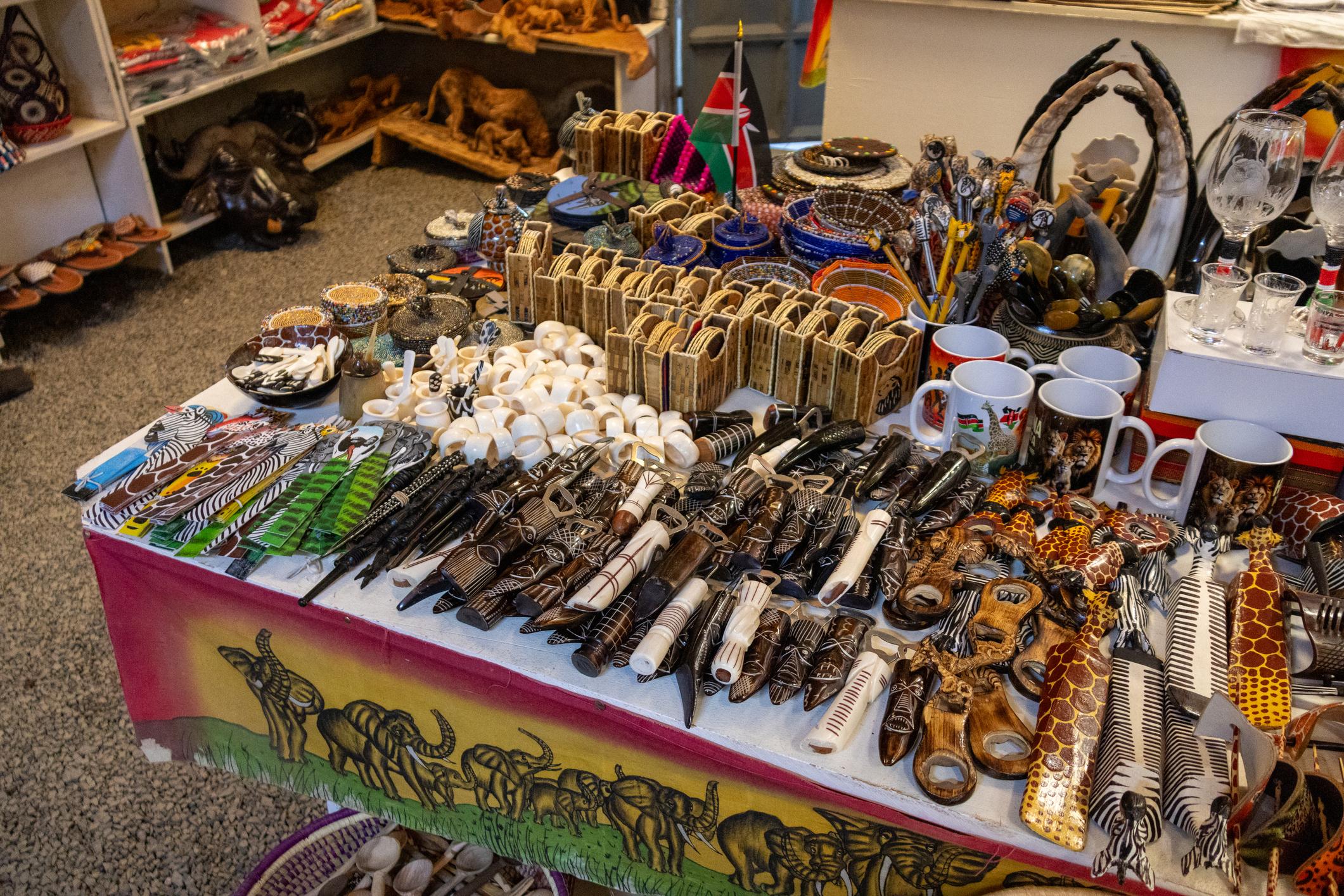
All About Wamunyu Carvings in Machakos
Introduction to Wamunyu Carvings
What Are Wamunyu Carvings?


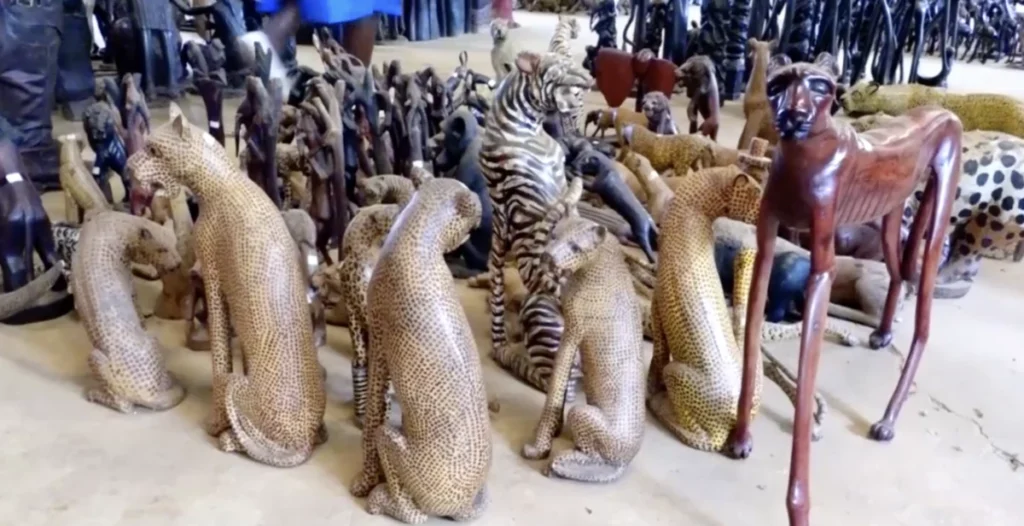

When you hear about Wamunyu carvings, you’re stepping into a world where wood transforms into storytelling. These carvings are handmade wooden sculptures crafted by skilled artisans in Wamunyu, a town in Machakos County, Kenya. Each piece reflects deep cultural roots, artistic mastery, and generations of inherited skill. From intricate animal figures to expressive human sculptures, these carvings are not just decorative—they carry meaning, history, and identity.
What makes them stand out is the raw authenticity. Unlike mass-produced souvenirs, Wamunyu carvings are shaped by hand, often using traditional tools. You can literally see the fingerprints of the artist in every curve and line. That’s what gives them soul. They’re not perfect in a factory sense—but that’s exactly what makes them perfect in a human sense.
Why Wamunyu Is Famous for Wood Carving
Wamunyu didn’t just randomly become a carving hub—it earned that reputation over decades. The area is known for its high concentration of skilled carvers, many of whom learned the craft from their parents or grandparents. It’s a living tradition, passed down like a family heirloom.
Another reason is accessibility. Located along a major highway, Wamunyu has become a convenient stop for travelers heading to eastern Kenya. Over time, this exposure turned it into a thriving marketplace where art meets commerce. Tourists, locals, and exporters all converge here, creating a vibrant ecosystem around wood carving.
History of Wamunyu Carvings
Origins of the Craft
The story of Wamunyu carvings begins with the Kamba people, one of Kenya’s most artistically gifted communities. Traditionally, carving was not just an economic activity—it was part of daily life. Tools, utensils, ceremonial objects, and even spiritual items were carved from wood.
Initially, carvings served functional and ritual purposes. Masks could be used in ceremonies, while carved stools or utensils were essential household items. Over time, however, artisans began experimenting with artistic forms beyond utility, creating sculptures purely for aesthetic value.
Evolution Over the Years
As Kenya opened up to global tourism, Wamunyu carvings evolved to meet international demand. Artists began crafting wildlife sculptures like elephants, giraffes, and lions—pieces that resonated with tourists looking for African-themed souvenirs.
This shift didn’t dilute the culture; it expanded it. Today, you’ll find both traditional and modern designs coexisting. Some carvings still reflect ancient symbolism, while others cater to contemporary tastes. It’s like watching tradition and innovation dance together.
Location and Cultural Significance
Where Is Wamunyu Located?
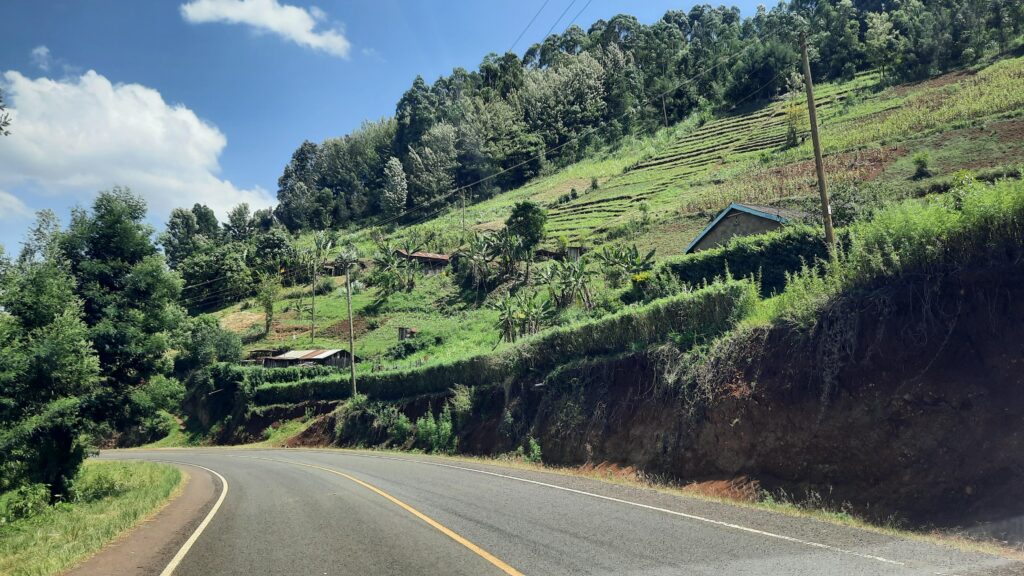
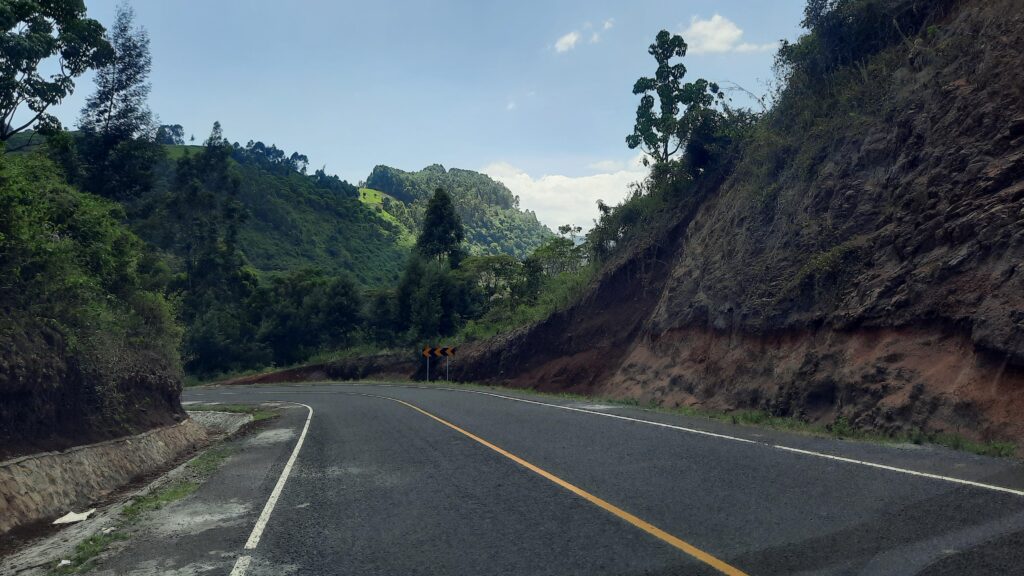

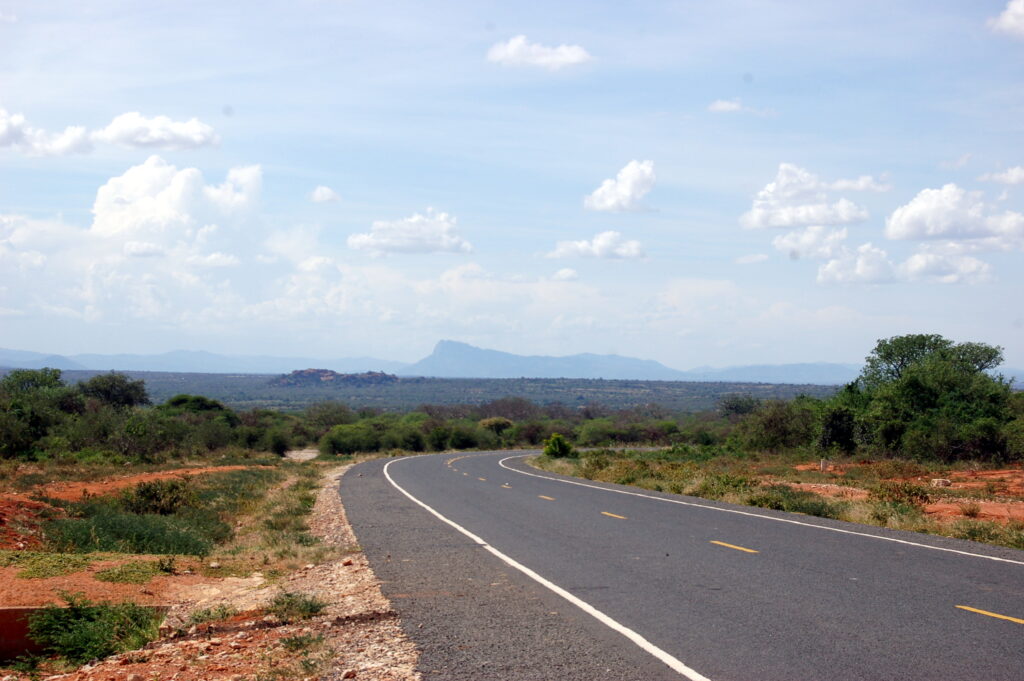
Wamunyu is located in Machakos County, about 100 kilometers east of Nairobi along the Nairobi–Mombasa highway. Its strategic location makes it a popular stopover point for travelers heading to coastal Kenya.
Despite being a small town, Wamunyu punches far above its weight when it comes to cultural influence. It’s not just a place—it’s a brand synonymous with Kenyan craftsmanship.
Role in Kamba Culture
For the Kamba people, carving is more than an occupation—it’s identity. It’s a way of preserving stories, beliefs, and values. Many carvings symbolize aspects of life such as strength, unity, fertility, or protection.
Even today, the craft remains deeply embedded in community life. Young people are trained from an early age, ensuring that the tradition continues. It’s not uncommon to find entire families involved in carving, each member contributing in different ways.
Types of Wamunyu Wood Carvings
Animal Sculptures
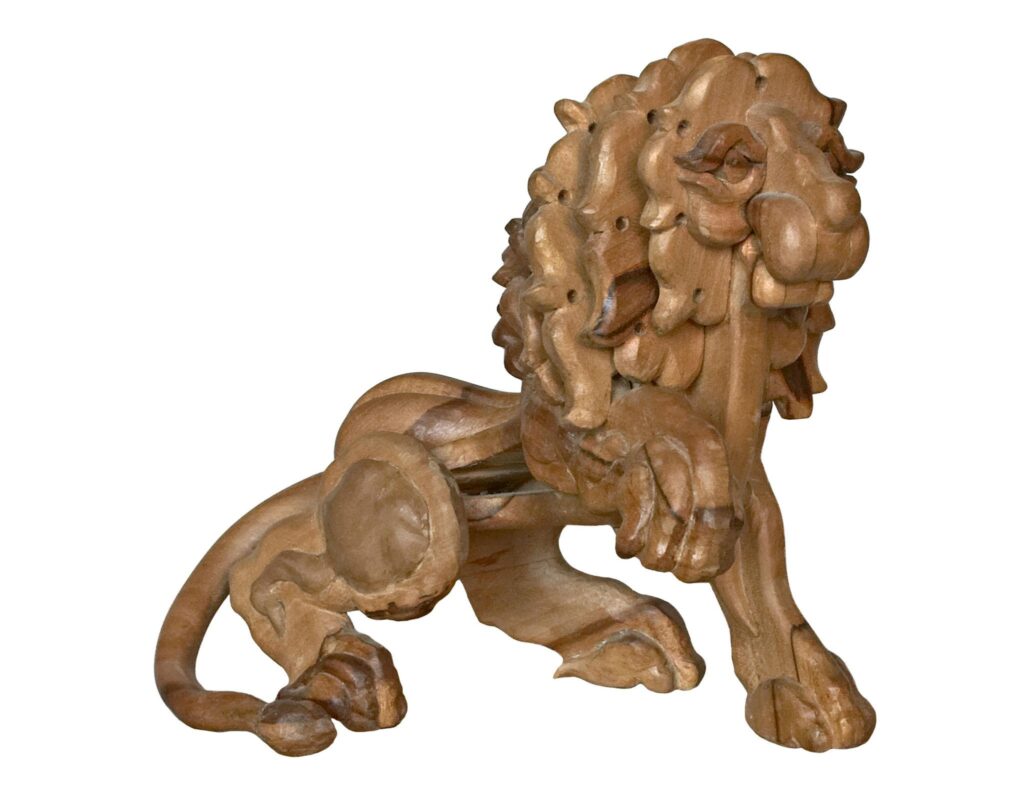
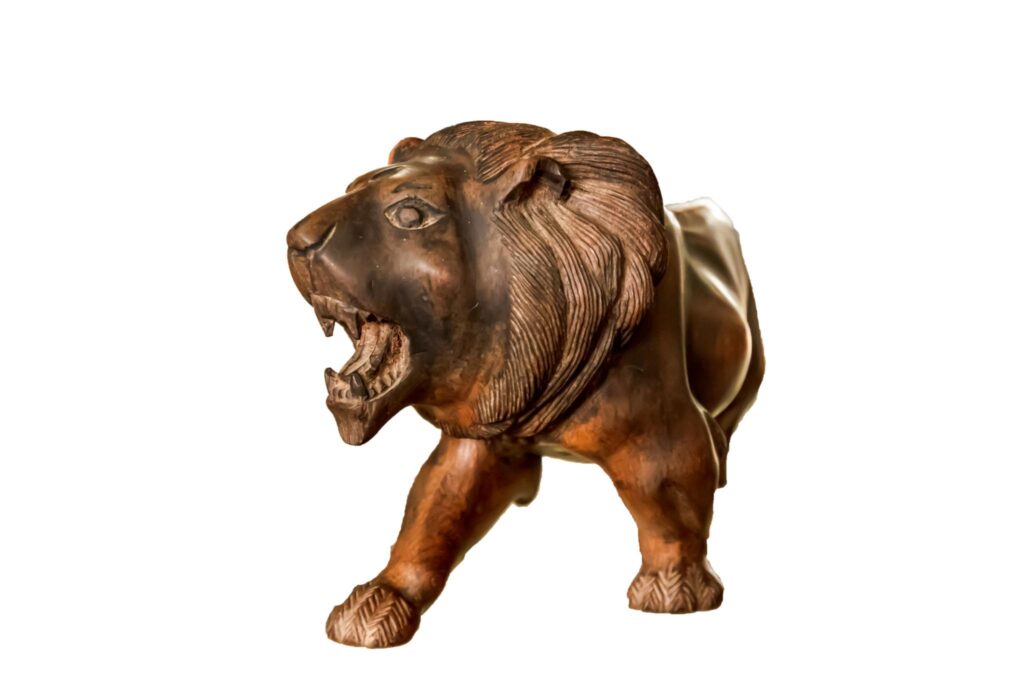
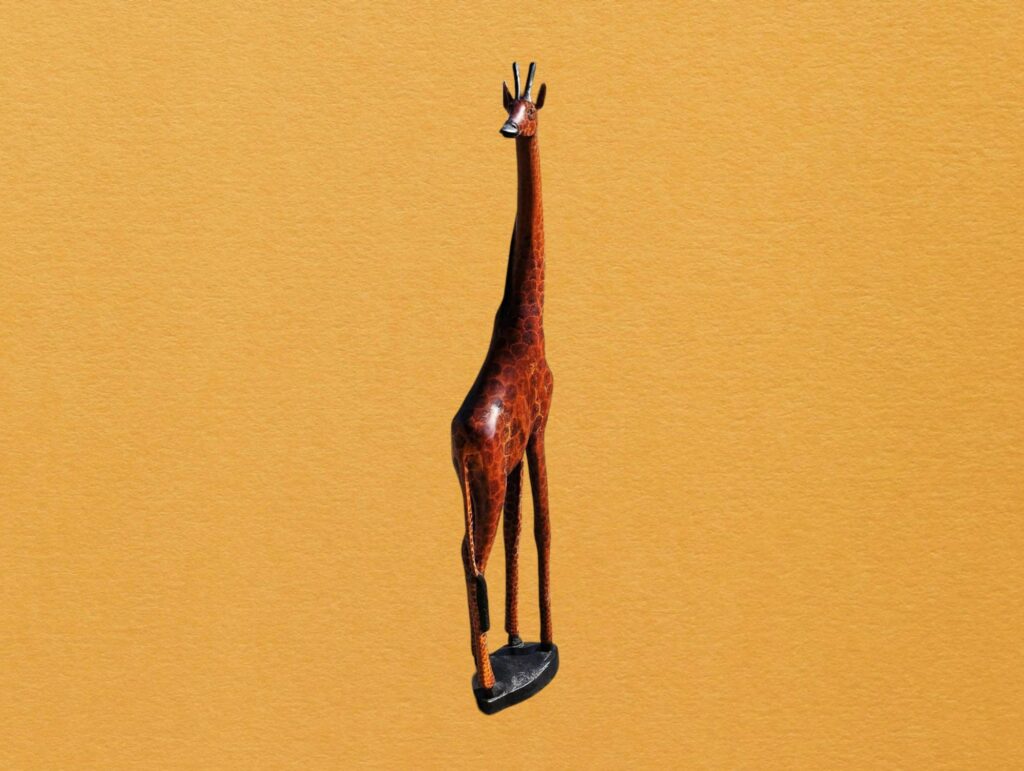

Animal carvings are arguably the most popular. Think elephants with gracefully curved trunks, giraffes stretching elegantly upward, or lions frozen mid-roar. These pieces capture the essence of African wildlife in a way that feels alive.
They’re especially popular among tourists because they represent the iconic safari experience. But beyond that, they also symbolize different traits—elephants for strength, lions for courage, and giraffes for grace.
Human Figurines and Masks
Human carvings often depict traditional attire, daily activities, or cultural rituals. Some figures represent elders, dancers, or mothers carrying children. These pieces tell stories—stories of community, resilience, and heritage.
Masks, on the other hand, often carry spiritual or symbolic meanings. They can represent ancestors, spirits, or cultural identities. Even when used purely as decor, they carry a sense of mystique and depth.
Decorative and Functional Items
Not all carvings are purely artistic. Some serve practical purposes—bowls, spoons, stools, and even furniture. What makes them unique is that functionality doesn’t compromise beauty. Every item is crafted with care, blending utility with artistic expression.
Materials Used in Wamunyu Carvings
Types of Wood
The choice of wood plays a crucial role in the final product. Common types include:
| Wood Type | Characteristics | Common Uses |
|---|---|---|
| Ebony | Dark, dense, smooth finish | High-end sculptures |
| Mahogany | Durable, reddish-brown | Furniture and decor |
| Jacaranda | Light and easy to carve | Medium-sized sculptures |
Each type of wood has its own personality. Ebony, for example, gives a luxurious finish, while jacaranda allows for more intricate detailing.
Tools and Techniques
Most artisans use a mix of traditional and modern tools—chisels, knives, and sometimes electric tools for rough shaping. The real magic, however, lies in the finishing. Sanding, polishing, and sometimes staining bring the piece to life.
The Carving Process Explained
Step-by-Step Creation Process
Creating a Wamunyu carving is like writing a story—one step at a time. First, the artisan selects the wood, considering its grain and strength. Then comes rough shaping, where the basic form is carved out.
Next is detailing, where features like faces, textures, and patterns are added. This stage requires patience and precision. Finally, the piece is sanded and polished, sometimes with oil or wax, to enhance its natural beauty.
This process can take hours, days, or even weeks depending on the complexity. It’s not rushed—because true art can’t be hurried.
Economic Impact of Wamunyu Carvings
Local Employment and Income
Wamunyu carvings are a major source of livelihood for many families. From carvers to sellers to transporters, the entire value chain supports the local economy. It’s not just about selling art—it’s about sustaining lives.
In many households, carving is the primary income source. It pays school fees, puts food on the table, and supports community development.
Export Market and Tourism
These carvings don’t just stay in Kenya—they travel the world. Export markets in Europe, America, and Asia have embraced Wamunyu art. Tourists also play a huge role, often buying pieces as souvenirs.
This global reach has elevated Wamunyu carvings from local craft to international art.
Visiting Wamunyu Carvings Market
What to Expect as a Visitor

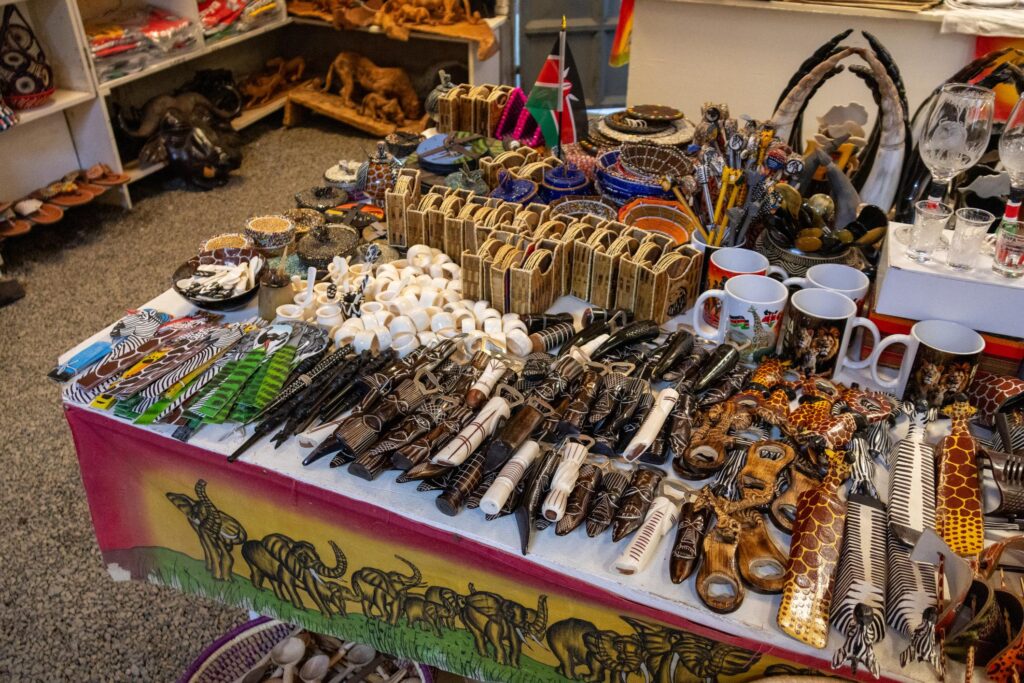
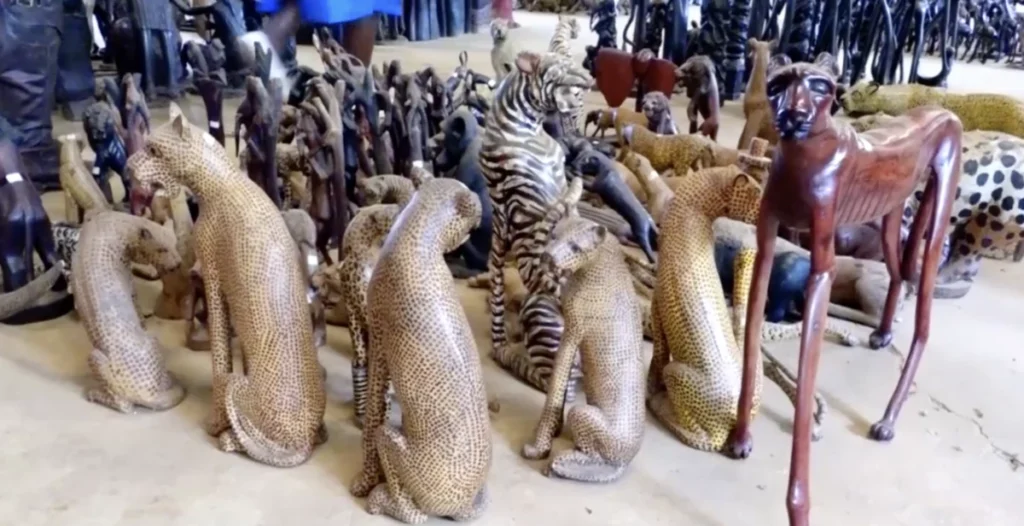

Visiting Wamunyu feels like walking into an open-air gallery. Rows of shops display hundreds of carvings, each more captivating than the last. The atmosphere is lively, with artisans often working right in front of you.
You’ll find everything from small souvenirs to large statement pieces. And yes—bargaining is part of the experience.
Tips for Buying Authentic Carvings
If you’re buying, take your time. Look closely at the details, feel the weight, and ask about the wood type. Authentic pieces usually have a unique, handmade feel—not too perfect, but beautifully imperfect.
Don’t hesitate to talk to the artisans. Their stories often add value to the piece you’re buying.
Challenges Facing the Industry
Environmental Concerns
One major challenge is sustainability. With high demand for wood, there’s pressure on forests. Responsible sourcing and reforestation efforts are becoming increasingly important.
Market Competition
Mass-produced imitations pose another threat. Cheaper, machine-made products can flood the market, making it harder for genuine artisans to compete. However, true craftsmanship still stands out to those who know what to look for.
Future of Wamunyu Carvings
Innovation and Modern Designs
Today’s artisans are not stuck in the past. Many are experimenting with modern designs, blending traditional techniques with contemporary styles. This evolution keeps the craft relevant in a changing world.
Sustainability Efforts
There’s a growing awareness around sustainable practices. Some groups are actively planting trees and promoting eco-friendly carving methods. It’s a step toward ensuring that this beautiful tradition doesn’t fade away.
Conclusion
Wamunyu carvings are more than just wooden objects—they are living pieces of culture, history, and human creativity. They tell stories without words, capturing the spirit of the Kamba people and the beauty of Kenyan artistry. Whether you’re an art lover, a traveler, or simply curious, exploring Wamunyu carvings offers a deeper appreciation for handmade craftsmanship in a world increasingly dominated by machines.
FAQs
1. What makes Wamunyu carvings unique?
They are handmade, culturally rich, and crafted using traditional techniques passed down through generations.
2. Where can I buy authentic Wamunyu carvings?
You can purchase them directly in Wamunyu, Machakos, or from certified Kenyan craft markets.
3. Are Wamunyu carvings expensive?
Prices vary depending on size, wood type, and craftsmanship, but they are generally affordable.
4. What types of wood are commonly used?
Ebony, mahogany, and jacaranda are among the most commonly used woods.
5. Can Wamunyu carvings be exported?
Yes, they are widely exported and appreciated globally.


