

Ultimate Guide to Kyamwilu Anti-Gravity Location
What is Kyamwilu Anti-Gravity Hill?
A Natural Mystery in Kenya
Imagine standing on a road, pouring water downhill—and instead of flowing down, it slowly climbs upward. Sounds impossible, right? Yet, that’s exactly what happens at Kyamwilu Anti-Gravity Hill, one of Kenya’s most fascinating natural mysteries. Located in Machakos County, this site has puzzled visitors for decades, earning a reputation as a place where the laws of physics seem to take a break.

Kyamwilu Hill, also known as Kituluni Hill, is not just a random roadside curiosity. It is a globally recognized “gravity hill” phenomenon, where objects appear to roll uphill against gravity. Visitors bring bottles, balls, and even cars to test the strange behavior. And almost everyone leaves with the same reaction—pure disbelief. According to reports, even vehicles in neutral gear seem to move uphill on their own, creating an experience that feels almost supernatural.
Why It Attracts Tourists
So why are people so drawn to this place? Simple—curiosity. Humans are naturally wired to question what they see, and Kyamwilu challenges everything we think we know about gravity. It’s not every day you get to witness something that appears to defy science.
Beyond the mystery, the site has become a popular tourist attraction for both locals and international visitors. Its accessibility, being relatively close to Nairobi, makes it a perfect day trip. Families, students, researchers, and even content creators flock here to capture and experience the phenomenon firsthand. It’s like stepping into a real-life science experiment—only this time, you’re part of it.
Location of Kyamwilu Hill
Distance from Nairobi
Kyamwilu Hill is strategically located in Machakos County, approximately 64–65 kilometers southeast of Nairobi, making it easily accessible for a quick getaway. This proximity is one of the reasons why the location has gained popularity—it doesn’t require long travel hours or complicated planning.
Additionally, the hill lies about 12 kilometers from Machakos Town along the Machakos–Kangundo road, placing it right within reach for both urban explorers and rural adventure seekers. Whether you’re driving from Nairobi or already within Machakos, the journey is smooth and scenic.

How to Get There
Getting to Kyamwilu is straightforward. Most visitors use private cars, but public transport is also an option. You can take a matatu from Nairobi to Machakos Town, then connect to Kangundo road and head toward the hill.
The road itself becomes part of the experience. As you approach the site, you’ll notice other visitors stopping along a particular stretch—that’s your cue you’ve arrived. There are usually locals around who guide first-time visitors on how to test the anti-gravity effect, adding a community touch to the experience.
The Anti-Gravity Phenomenon Explained
What Visitors Experience
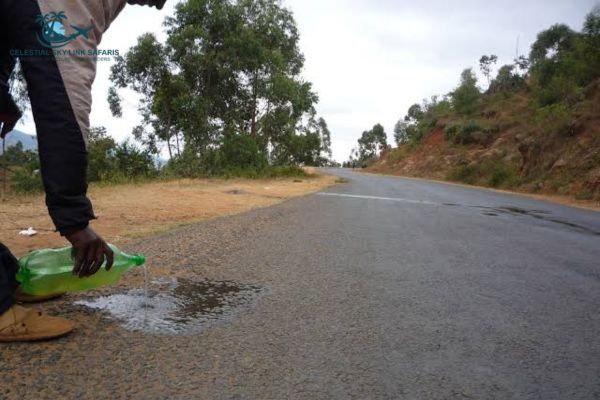
This is where things get really interesting. At Kyamwilu Hill, you can try several simple experiments:
- Pour water on the road—it appears to flow uphill
- Place your car in neutral—it rolls “up” the slope
- Roll a ball—it moves against gravity
At first glance, it feels like you’ve entered a world where physics no longer applies. Visitors often laugh, question their senses, and repeat the experiments multiple times just to confirm what they’re seeing. It’s not just surprising—it’s mind-blowing.
Many people even report that walking uphill feels easier than walking downhill, which adds another layer to the mystery. It’s the kind of experience that stays with you long after you leave.
Scientific Explanation (Optical Illusion)
So, is gravity actually broken here? Not quite. Scientists explain that Kyamwilu Hill is an optical illusion, not a violation of physics. The surrounding landscape creates a deceptive visual effect where a slight downhill slope appears to be uphill.
This illusion occurs because the horizon is obscured, making it difficult for the brain to correctly judge the slope. As a result, what looks like an uphill climb is actually a gentle descent. It’s a perfect example of how our perception can be tricked by environmental cues.
Still, knowing the science doesn’t make the experience any less magical. If anything, it makes you appreciate just how powerful and fascinating human perception can be.
Local Legends Behind Kyamwilu Hill
The Story of Kyalo and Mwilu
Beyond science, Kyamwilu Hill is deeply rooted in local folklore. According to Akamba tradition, the hill is named after two men—Kyalo and Mwilu—who were once close friends but fell in love with the same woman.
In an unusual arrangement, the woman married both men, dividing her time between them. However, jealousy and conflict eventually arose, leading to their deaths. The legend says that even in death, the two men continue to fight for her affection.
Cultural Beliefs of the Akamba Community
The Akamba people believe that this eternal conflict disrupts the natural order of things, causing the strange anti-gravity effects observed on the hill. While modern science offers a logical explanation, the legend adds a layer of cultural richness that makes the site even more intriguing.
It’s this blend of science and storytelling that gives Kyamwilu its unique identity. Visitors don’t just come for the phenomenon—they come for the story behind it.
What to Do at Kyamwilu Anti-Gravity Site
Fun Experiments with Water and Cars
The main attraction here is interaction. Unlike many tourist sites where you simply observe, Kyamwilu invites you to participate. Bring a bottle of water, a ball, or even your car, and test the phenomenon yourself.
The best part? Every experiment feels personal. You’re not watching someone else—you’re experiencing it firsthand. That’s what makes it unforgettable.
Photography and Exploration
Kyamwilu is also a great spot for photography. The rolling hills, open landscapes, and curious visitors create a lively atmosphere. It’s perfect for capturing unique content, especially if you’re into travel blogging or social media.
And let’s be honest—posting a video of water flowing uphill is guaranteed to grab attention.
Why Early Visits Are Worth It
Avoiding Crowds
Kyamwilu can get quite busy, especially on weekends. Visiting early in the morning ensures a more relaxed experience. You’ll have more space to experiment and take photos without interruptions.
Best Time of Day to Visit
Morning and late afternoon offer the best lighting conditions and cooler weather. This makes your visit more comfortable and visually appealing.
Travel Tips for Visiting Kyamwilu
Safety Tips
- Always park safely off the road
- Be cautious of passing vehicles
- Follow guidance from locals
What to Carry
- Water bottle (for experiments)
- Camera or smartphone
- Comfortable shoes
Nearby Attractions in Machakos
Other Hidden Gems
Machakos County is full of hidden treasures, from scenic viewpoints to cultural sites. Exploring beyond Kyamwilu adds depth to your trip.
Combining Trips
You can easily combine a visit to Kyamwilu with other Machakos attractions or even extend your trip to nearby counties.
Conclusion
Kyamwilu Anti-Gravity Hill is more than just a roadside curiosity—it’s a perfect blend of science, mystery, and culture. Whether you’re a curious traveler, a science enthusiast, or someone looking for a unique experience, this destination delivers something truly unforgettable. The fact that it challenges your perception while grounding you in local history makes it one of Kenya’s most intriguing hidden gems. If you’re planning your next adventure, Kyamwilu deserves a spot on your list.
FAQs
1. Where exactly is Kyamwilu Anti-Gravity Hill located?
It is in Machakos County, about 12 km from Machakos Town along Kangundo road.
2. Is the anti-gravity effect real?
It appears real, but it is actually an optical illusion.
3. How far is Kyamwilu from Nairobi?
Approximately 64–65 km southeast of Nairobi.
4. Is there an entry fee?
Usually, there is no official fee, but locals may guide you for a small tip.
5. Can I visit Kyamwilu Hill anytime?
Yes, but daytime visits are recommended for safety and better visibility.


